
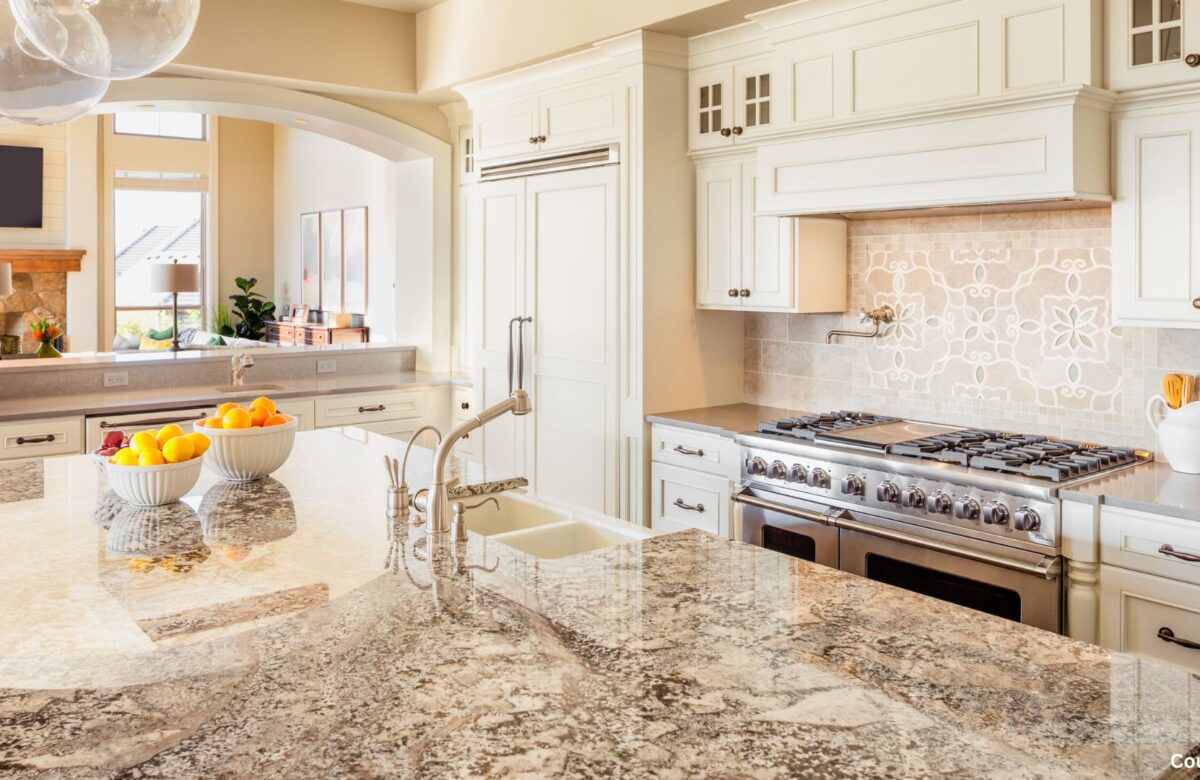
Quartz Countertops Maintenance: How to Care for Your Quartz Surfaces
Quartz countertops maintenance plays a key role in protecting the beauty, durability, and value of one of the most popular countertop materials in modern homes. Quartz surfaces are engineered using natural stone and advanced resins, creating a nonporous, low-maintenance countertop that performs well in busy kitchens and bathrooms. While quartz is known for its durability, proper care ensures it stays looking new for many years.
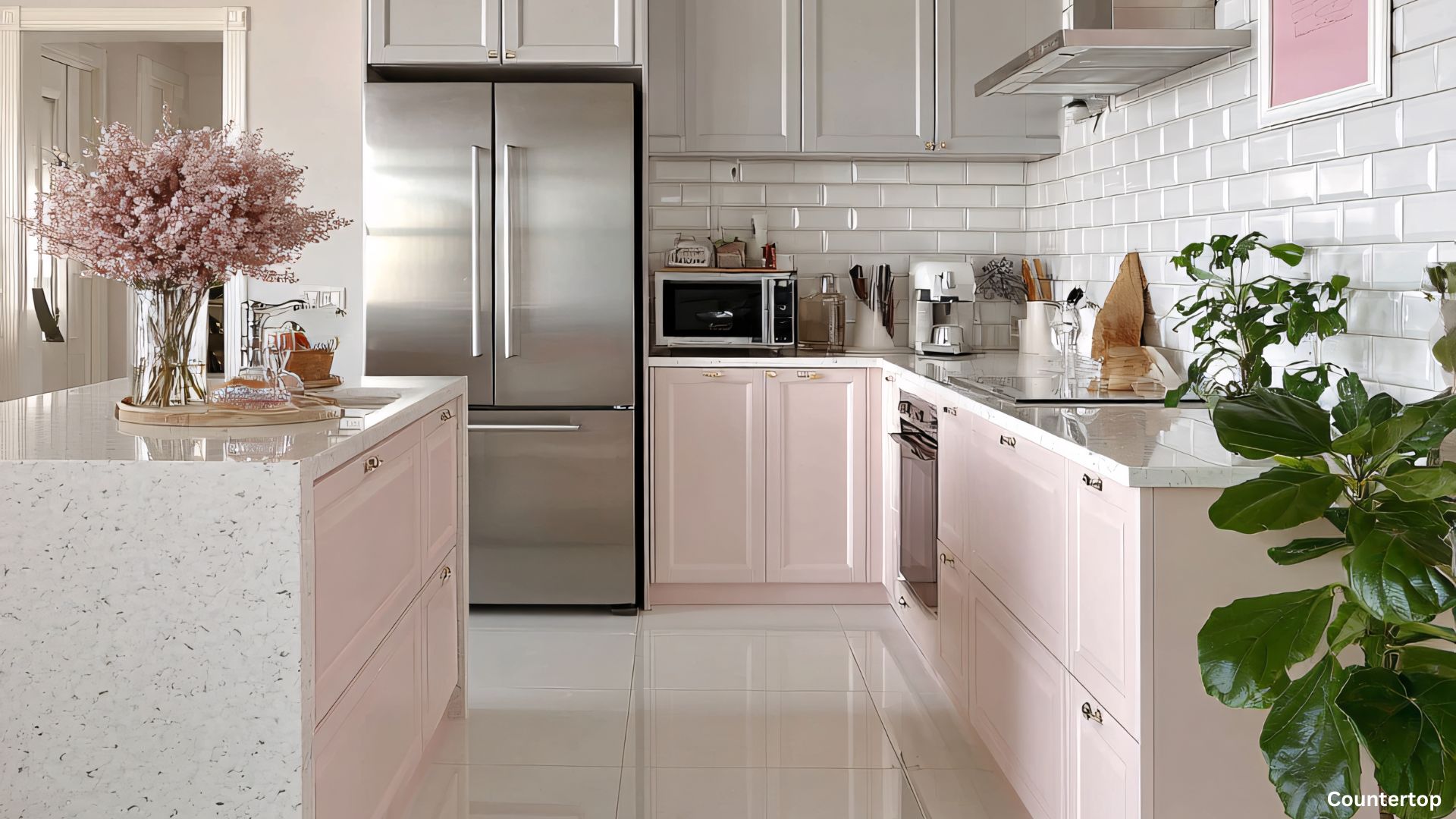
Quartz Countertops Maintenance
Understanding Quartz Countertops
Before diving into quartz countertops maintenance, it helps to understand what makes quartz unique. Unlike natural stone surfaces that require sealing, quartz is engineered to resist moisture, bacteria, and staining. This makes it ideal for households that want a clean, durable surface without intensive upkeep. However, quartz still benefits from thoughtful daily care and smart use.
Daily Cleaning Best Practices
Effective quartz countertops maintenance starts with simple daily cleaning habits. For everyday messes, a soft cloth or nonabrasive sponge paired with warm water and mild dish soap is more than enough. This removes food residue, grease, and fingerprints without damaging the surface.
Drying the countertop after cleaning helps prevent water spots and streaks, especially in kitchens with hard water. Spills should be wiped up promptly, particularly substances like wine, coffee, oils, or acidic foods. Although quartz resists stains, quick cleanup prevents residue from dulling the surface over time.
Deep Cleaning and Occasional Care
Occasional deeper cleaning supports long-term quartz countertops maintenance, especially in high-use areas. For sticky residue or dried spills, allow warm soapy water to sit briefly before wiping with a soft cloth. A plastic scraper can be used gently to remove stubborn buildup without scratching the surface.
For grease or heavy cooking splatter, use a cleaner specifically designed for quartz or stone surfaces. These products are formulated to break down oils without damaging the resin binders that give quartz its strength and sheen. Avoid soaking the surface with cleaners and always wipe dry after cleaning.
What to Avoid With Quartz Countertops
Protecting your investment is an important part of quartz countertops maintenance. Harsh or abrasive cleaners can dull the surface and should be avoided. Products containing bleach, ammonia, oven cleaner, or abrasive powders may damage the finish and reduce the countertop’s lifespan.
Abrasive pads and steel wool can scratch the surface and leave permanent marks. Stick to soft cloths or nonabrasive sponges for all cleaning tasks. While quartz is scratch resistant, it is not scratch proof.
Heat protection is equally important. Quartz can be sensitive to sudden temperature changes, so placing hot pots, pans, or appliances directly on the surface may cause discoloration or cracking. Always use trivets or heat-resistant pads when working with hot cookware.
Cutting directly on quartz countertops is not recommended. Knives can leave marks and dull quickly, and repeated cutting in the same area may affect the surface finish. Using cutting boards helps protect both your countertops and your tools.
Managing Stains and Discoloration
One of the advantages of quartz countertops maintenance is that stains are usually easy to manage. Because quartz is nonporous, liquids remain on the surface instead of absorbing into the material. Most stains can be removed with gentle cleaning and a bit of patience.
Avoid acidic cleaners such as vinegar or citrus-based products for routine care. While they may not cause immediate damage, repeated use can dull the resin finish over time. If discoloration occurs, a manufacturer-approved quartz cleaner is the safest solution.
Long-Term Care and Maintenance Tips
Quartz countertops maintenance does not require sealing, polishing, or special treatments, which makes it a practical choice for busy homes. Still, mindful use goes a long way. Use protective pads under small appliances that generate heat, such as slow cookers or toaster ovens. Clean frequently in high-traffic areas to prevent buildup from daily use.
Different finishes may require slightly different care. Polished surfaces are more forgiving and easy to clean, while honed or matte finishes may show fingerprints or smudges more easily. Following recommended cleaning methods helps maintain the intended look of your countertop.
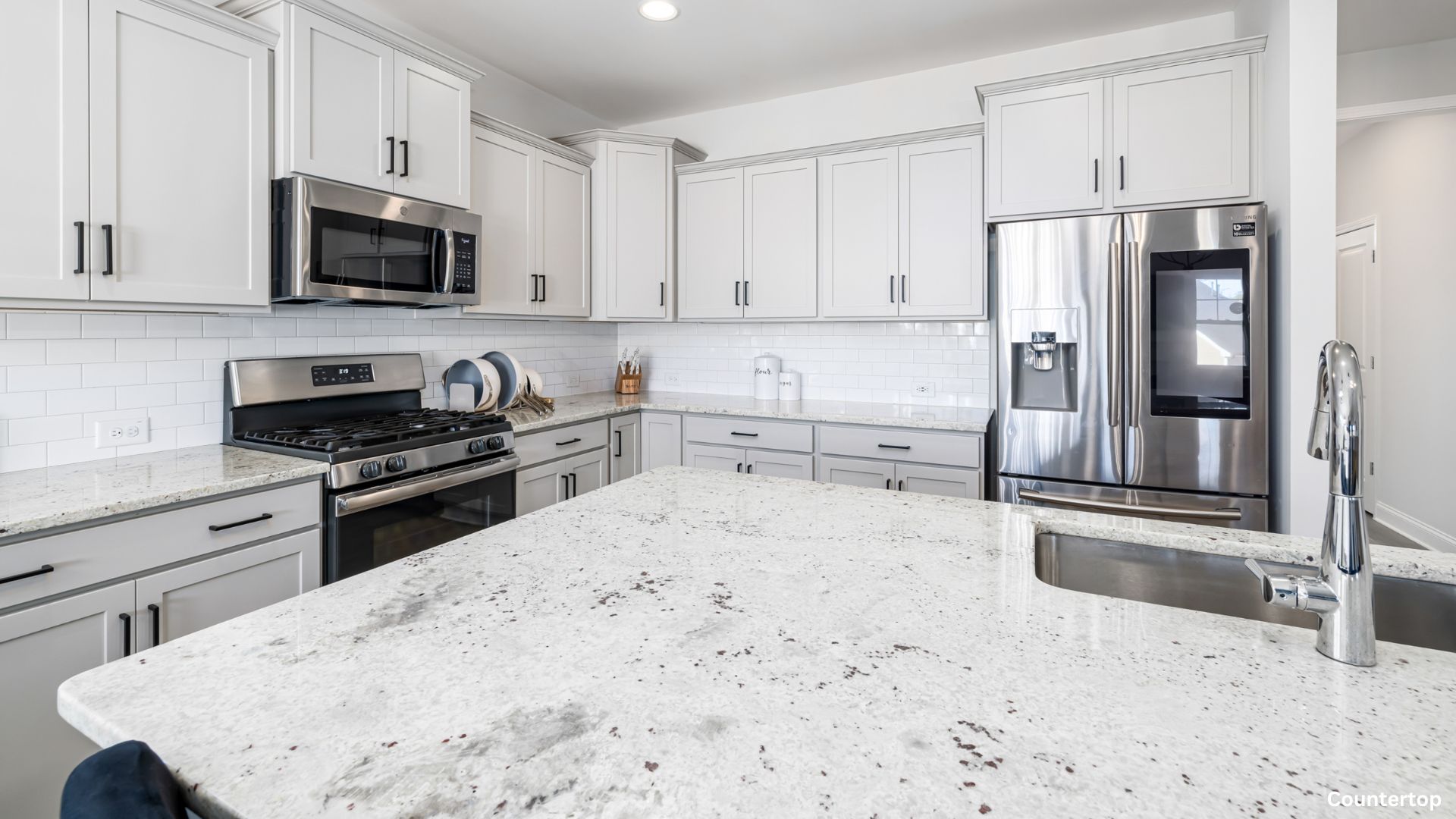
Quartz countertops maintenance is simple, effective, and easy to incorporate into everyday routines. With gentle cleaning, protection from heat and sharp objects, and the right cleaning products, quartz countertops remain durable, hygienic, and visually striking. A little consistent care ensures your quartz surfaces continue to enhance your kitchen or bathroom for years to come.
